
Bookbinding is for anyone and everyone. Making books is a combination of cutting, pasting, and sometimes (not always!) stitching. You can be precise, you can be imprecise. You can use fresh new materials, you can upcycle anything you can find. You can use existing creative artistic and craft skills – or discover you have some hidden craftiness in your fingers. Either way, everyone can enjoy this versatile, absorbing, and mindful craft, and what’s more, make it their own. My bookbinding story started late in my creative career – I’d love to share what I’ve learned with you in a Bindfulness Handmade Workshop.
Here’s what you’ll need: a bit of curiosity, a mindset that allows you to grow through doing, and a love of books. That’s it! Bindfulness Workshops are gently paced and suitable for beginners and improvers alike – we’re together to learn, enjoy the process, and have a good day out.
BUT – Where to start with bookbinding? What about your skill level? And which book to make next once you’ve gotten the Binding Bug? Dive in to the Bindfulness Workshops Guide to find out more about each book style!
And, as always, contact me with any questions you may have – I’m happy to help! Hope x
p.s. If you see something you love and would like to enquire about a midweek bespoke Workshop for two Click here


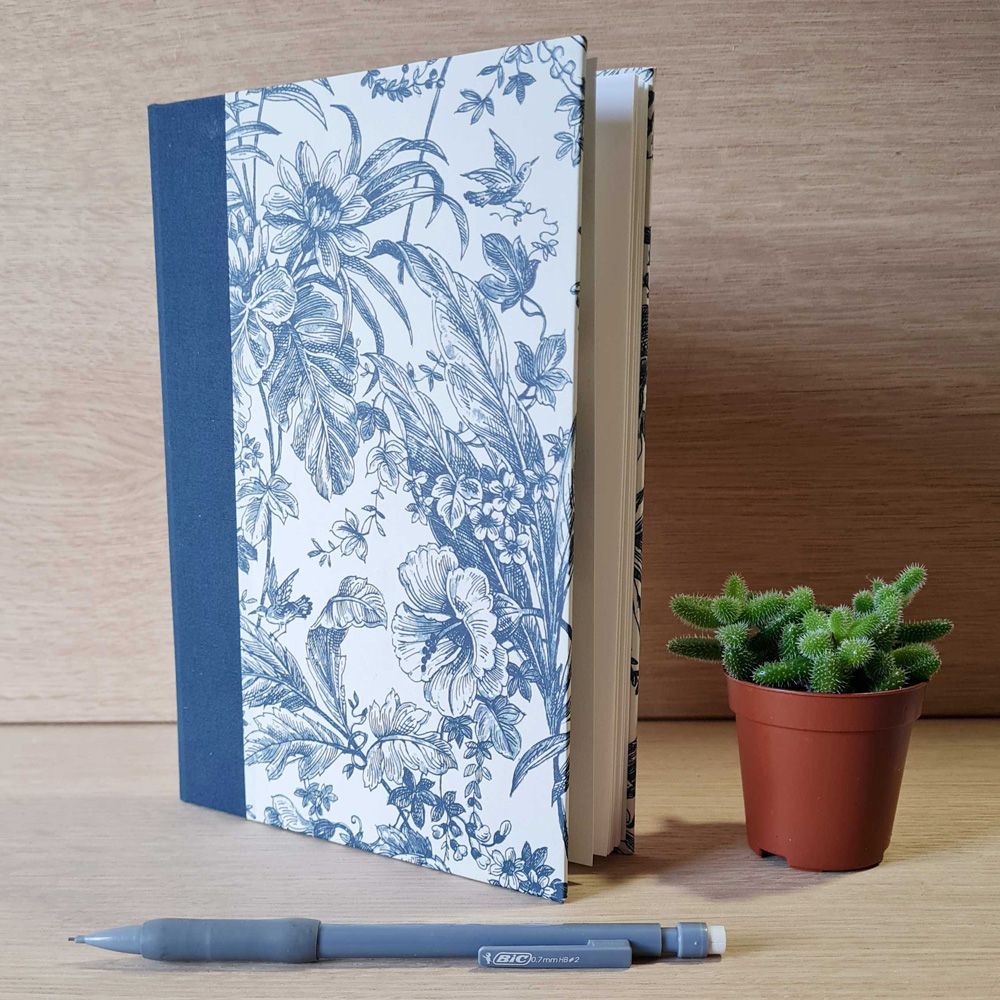
Pamphlet Sewing & Double Section Bookbinding Workshop
The pamphlet sewn book is usually made of a single section of folded papers inside a heavier cover material. The double section pamphlet structure uses the same sewing technique as a single pamphlet. This allows for a more substantial book block suitable for a hard cover book. We’ll make a variety of folded books and simple sewn books, including a three-hole pamphlet and a hard cover 48 page Double section notebook. Each folded and sewn small book is designed to increase confidence in the basic bookbinding skills used in making the final hard cover book.
This style of book is great for: Pocket notebooks, personalised handmade gifts, Zines, daily journaling
Skill level: This is a great one to start with! Bindfulness Handmade Workshops are designed to be accessible wherever you start. Returning binders find some repetition (practise by another name!) a welcome reinforcement of previous learning. Where ever I can within a workshop, I will add to a returning binder’s knowledge with extra information or suggestions for expanding learning.
What You’ll Learn:
The selection of materials
Paper grain
Sewing techniques
Cover preparation
Some common bookbinding tools and how to use them safely
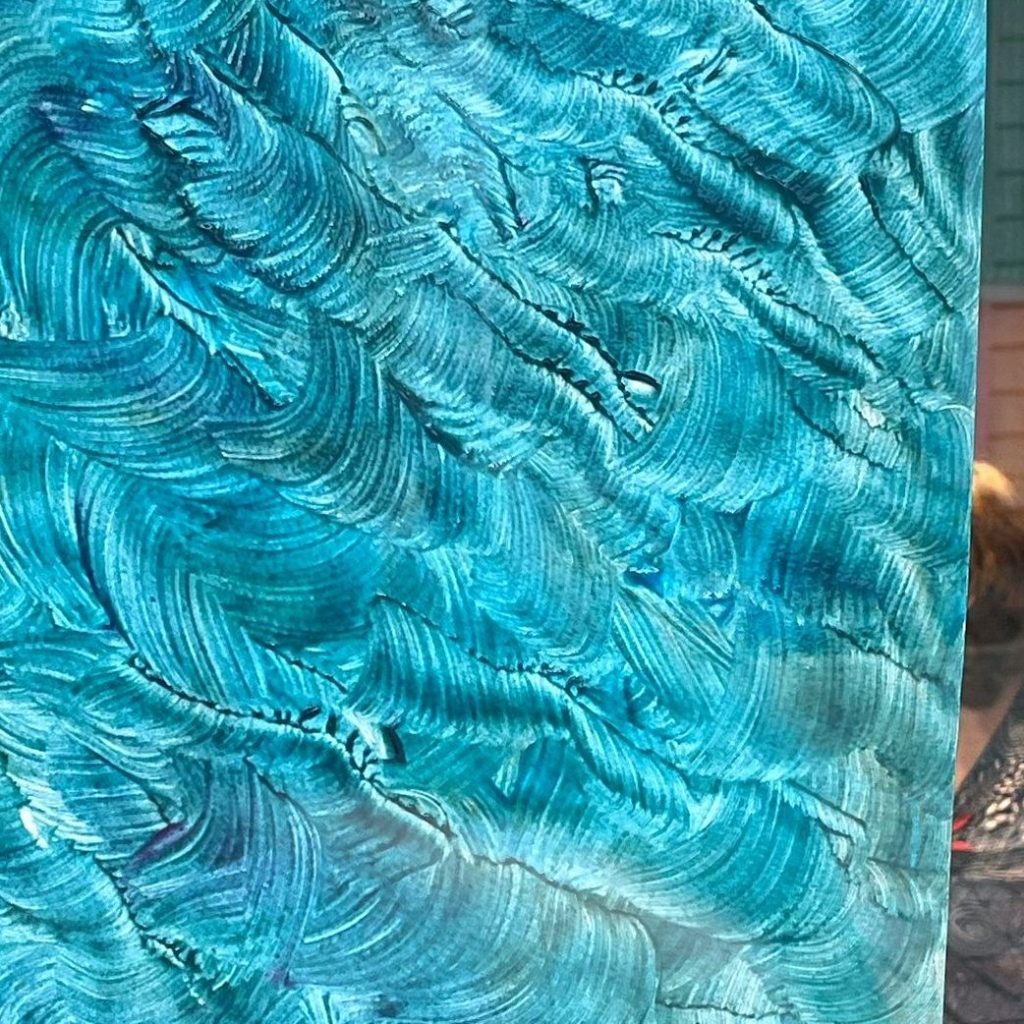
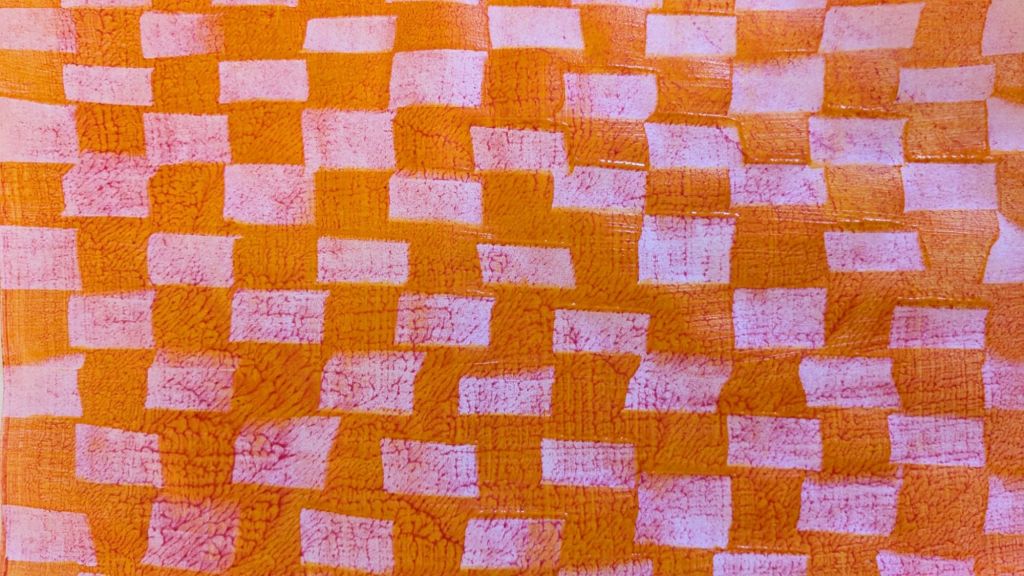

Paste Papers and Sewn Books Workshop
Paste paper is used for surface design. In bookbinding, it was historically a cheap and easy to produce alternative to traditional marbled papers.
We’ll add colour to wheat paste and apply it directly to the surface of the paper sheet. We’ll experiment with brushes, combs, decorative stamps, fingers, and any tools we can come up with to make a variety of patterns and effects. Prepared papers will be waiting for you to to make non-adhesive sewn books in a variety of stitches for you to take away along with your new Paste papers.

This style of book is great for: Pocket notebooks, personalised handmade gifts, Zines, daily journaling
Paste paper is great for: making books (obviously!), gift wrapping, crafting, collage papers
Skill level: This is a great one to start with! Bindfulness Handmade Workshops are designed to be accessible wherever you start. Returning binders find some repetition (practise by another name!) a welcome reinforcement of previous learning. Where ever I can within a workshop, I will add to a returning binder’s knowledge with extra information or suggestions for expanding learning.
What You’ll Learn:
The selection of materials
Paper grain
Paste preparation and recipe
Pattern making tools and ideas
Non-adhesive sewing techniques
Common bookbinding tools and how to use them safely
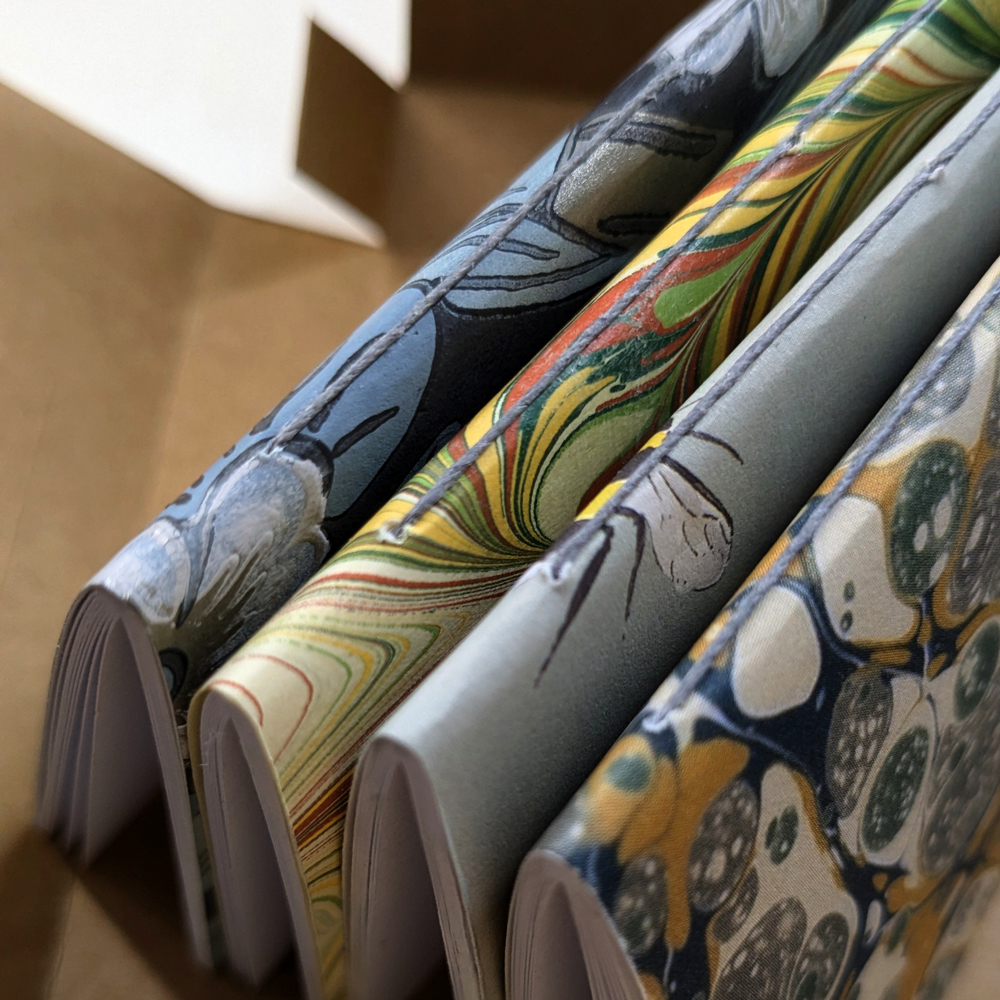
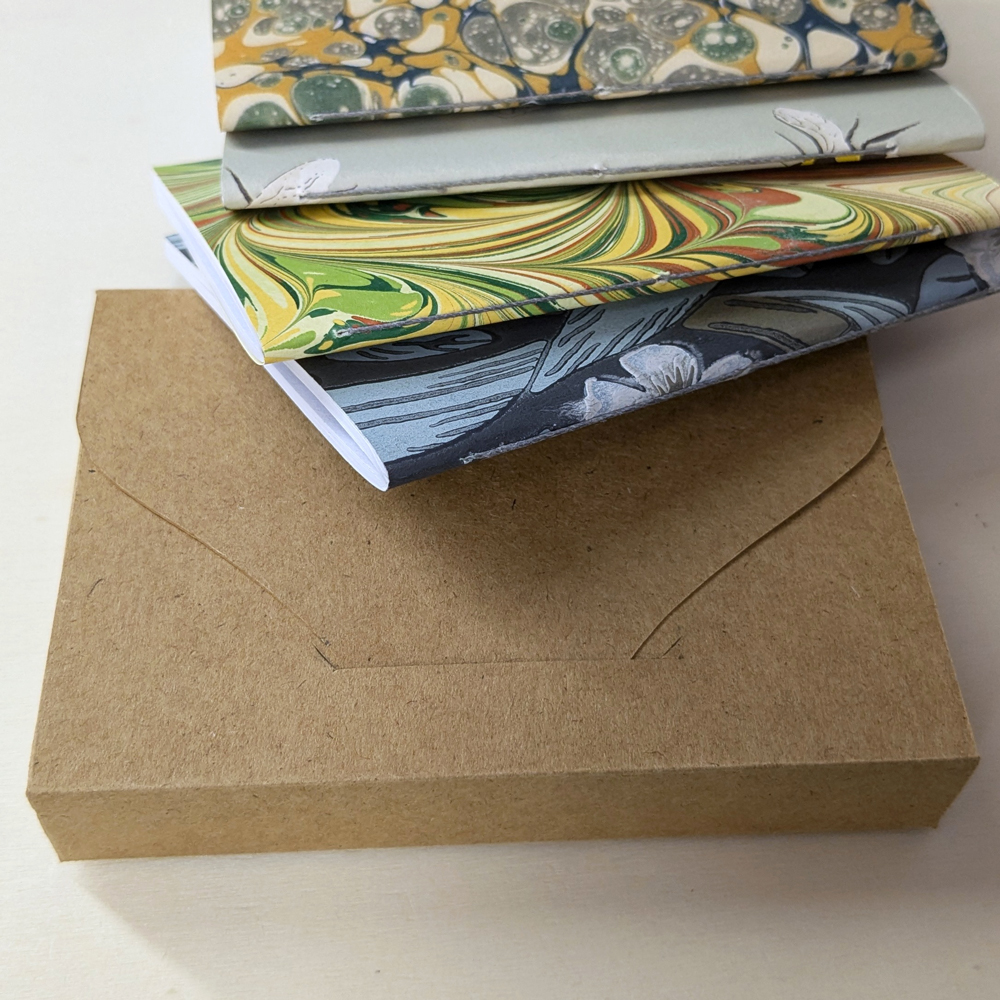

Pamphlet Books in Phase Box Workshop
The pamphlet sewn book is usually made of a single section of papers sewn through the fold inside a heavier cover material. Pamphlet books can be sewn with a variety of stitching patterns, including 3-hole, 5-hole, chain stitch, and string of pearls. This full-day workshop introduces you to the foundations of bookbinding through discussions around materials choices, paper grain, folding processes, sewing, and trimming. You will make a set of three (or possibly four, depending on time) sewn pamphlet books and a custom-made phase box to store them in.
This style of book is great for: Pocket notebooks, personalised handmade gifts, Zines, daily journaling
Skill level: This is a great one to start with! Bindfulness Handmade Workshops are designed to be accessible wherever you start. Returning binders find some repetition (practise by another name!) a welcome reinforcement of previous learning. Where ever I can within a workshop, I will add to a returning binder’s knowledge with extra information or suggestions for expanding learning.
What You’ll Learn:
The selection of materials
Paper grain
Phase box structure
Creating pamphlet books using Various types of pamphlet stitching
Common bookbinding tools and how to use them safely


Sewn Boards Binding Workshop
The modern Sewn Boards Binding is a sewn and glued hard or soft cover book. The Sewn Boards structure’s clever design has an additional section of card sewn onto the multi-section text block that is used to support the book’s covers. Sewn using the unsupported French link stitching, the finished book has flush covers, which means that its covers are the same size as its pages. The Sewn Boards binding structure is a Bindfulness favourite – it lays flat, opens beautifully, and allows for endless design variation in the linings, spine, and covers.
This style of book is great for: Journaling, sketchbooks, layflat books, gifting
Skill level: This is a great one to start with! Bindfulness Handmade Workshops are designed to be accessible wherever you start. Returning binders find some repetition (practise by another name!) a welcome reinforcement of previous learning. Where ever I can within a workshop, I will add to a returning binder’s knowledge with extra information or suggestions for expanding learning
What You’ll Learn:
The selection of materials
Paper grain
Multi Section Sewing technique
Spine & Cover preparation for this unique structure
Common bookbinding tools and how to use them safely

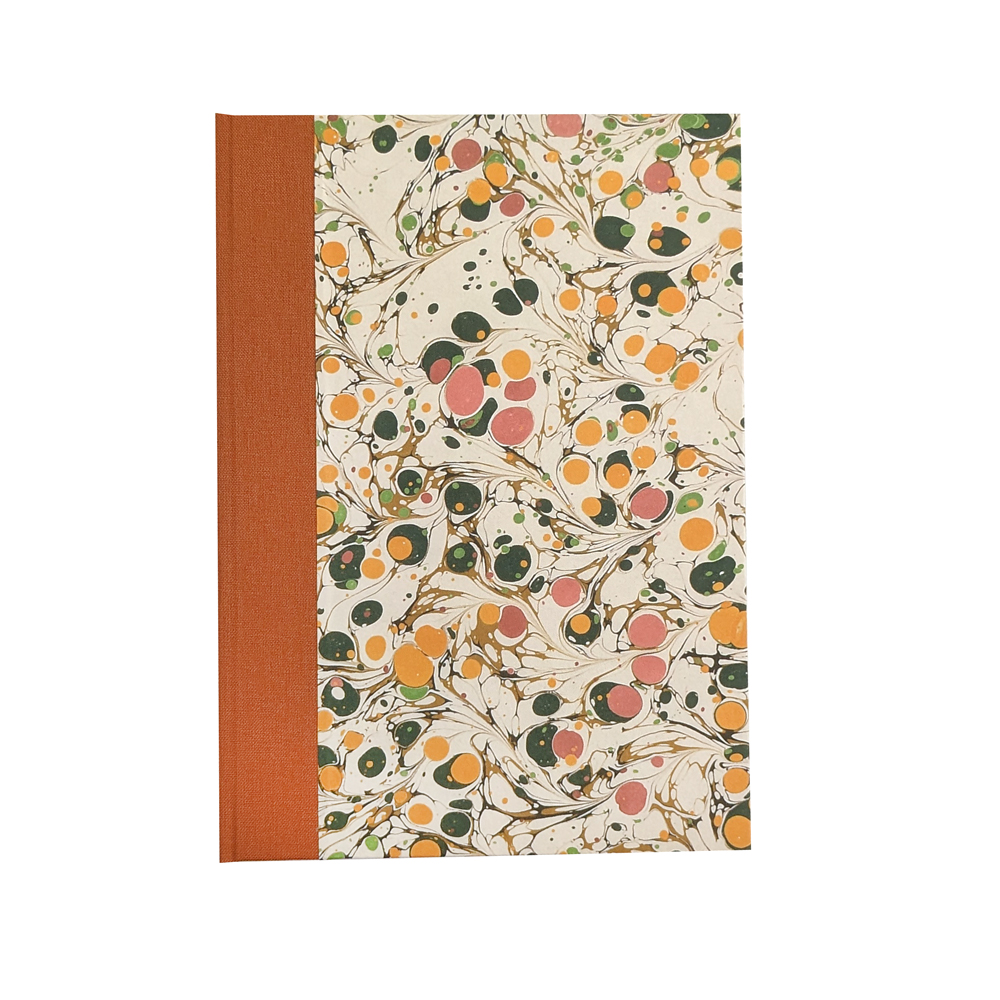

Quarterbound Hardcover Bookbinding Workshop
The traditional Quarter binding takes its name from it covering material. This style of case binding has the spine and a small part of the boards covered with one material with the rest of the boards covered with another. In a Bindfulness workshop we’ll make hard cover books with 96 pages. We’ll begin by folding and sewing a book block using the unsupported French link stitching with waxed linen binder’s thread. We’ll construct a made to measure hard board cover using book cloth or paper for the spine and decorative paper for the covers.
This style of book is great for: Journaling, sketchbooks, gifting
Skill level: This is a great one to start with! Bindfulness Handmade Workshops are designed to be accessible wherever you start. Returning binders find some repetition (practise by another name!) a welcome reinforcement of previous learning. Where ever I can within a workshop, I will add to a returning binder’s knowledge with extra information or suggestions for expanding learning
What You’ll Learn:
The selection of materials
Paper grain
Multi-Section Sewing techniques
Cover preparation
Common bookbinding tools and how to use them safely


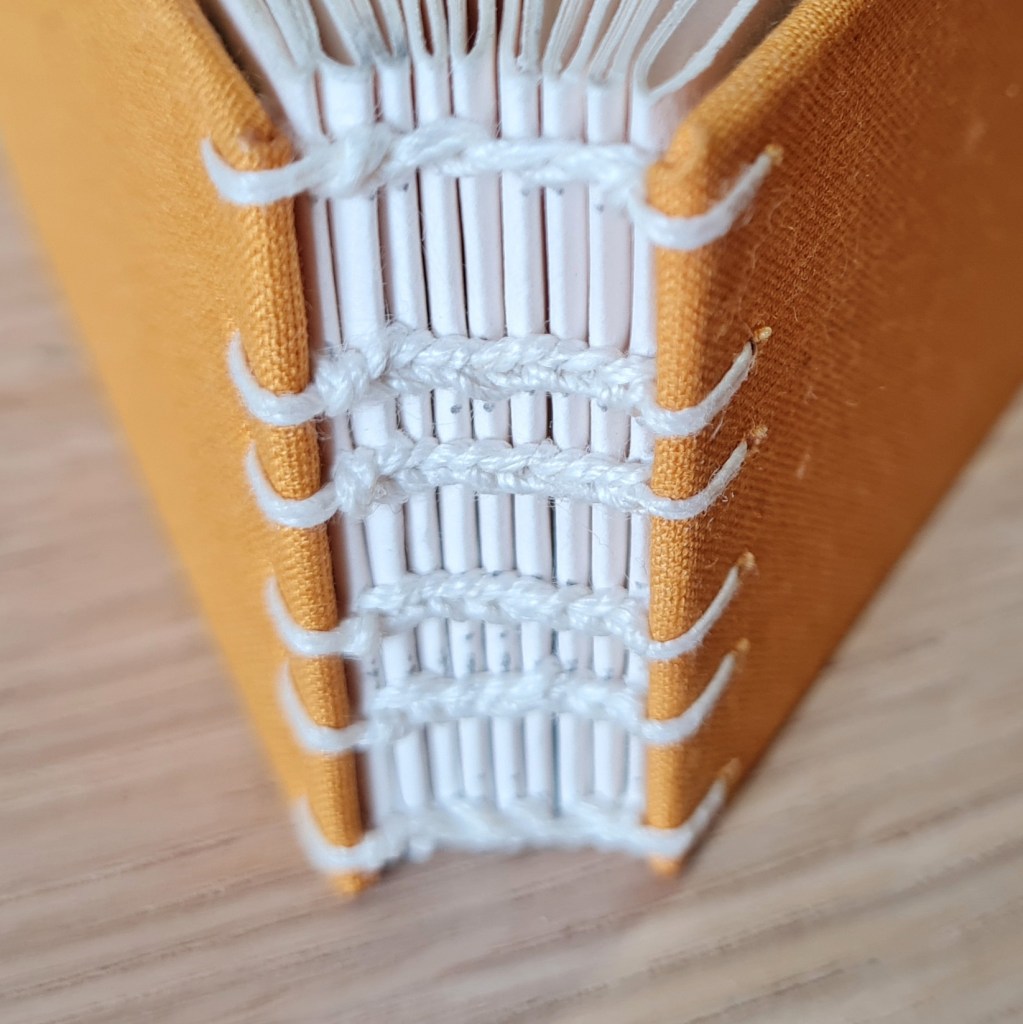
Coptic Bookbinding Workshop
Coptic Books lay flat and their attractive exposed spine stitching invites endless creativity. Coptic binding was employed by early Coptic Christians in Egypt and used from as early as the 2nd century AD to the 11th century. The term is also used to describe modern bindings sewn in the same style. Coptic bindings are characterised by sections of paper sewn through their folds, and attached to each other with chain stitch linkings across the spine. The number of sewing stations and sewing materials can be changed to make a truly unique lay-flat book.
This style of book is great for: Journaling, sketchbooks, gifting, lay flat working
Skill level: This is a great one to start with! Bindfulness Handmade Workshops are designed to be accessible wherever you start. Returning binders find some repetition (practise by another name!) a welcome reinforcement of previous learning. Where ever I can within a workshop, I will add to a returning binder’s knowledge with extra information or suggestions for expanding learning.
What You’ll Learn:
The selection of materials
Paper grain
Coptic Sewing technique
Cover preparation
Common bookbinding tools and how to use them safely


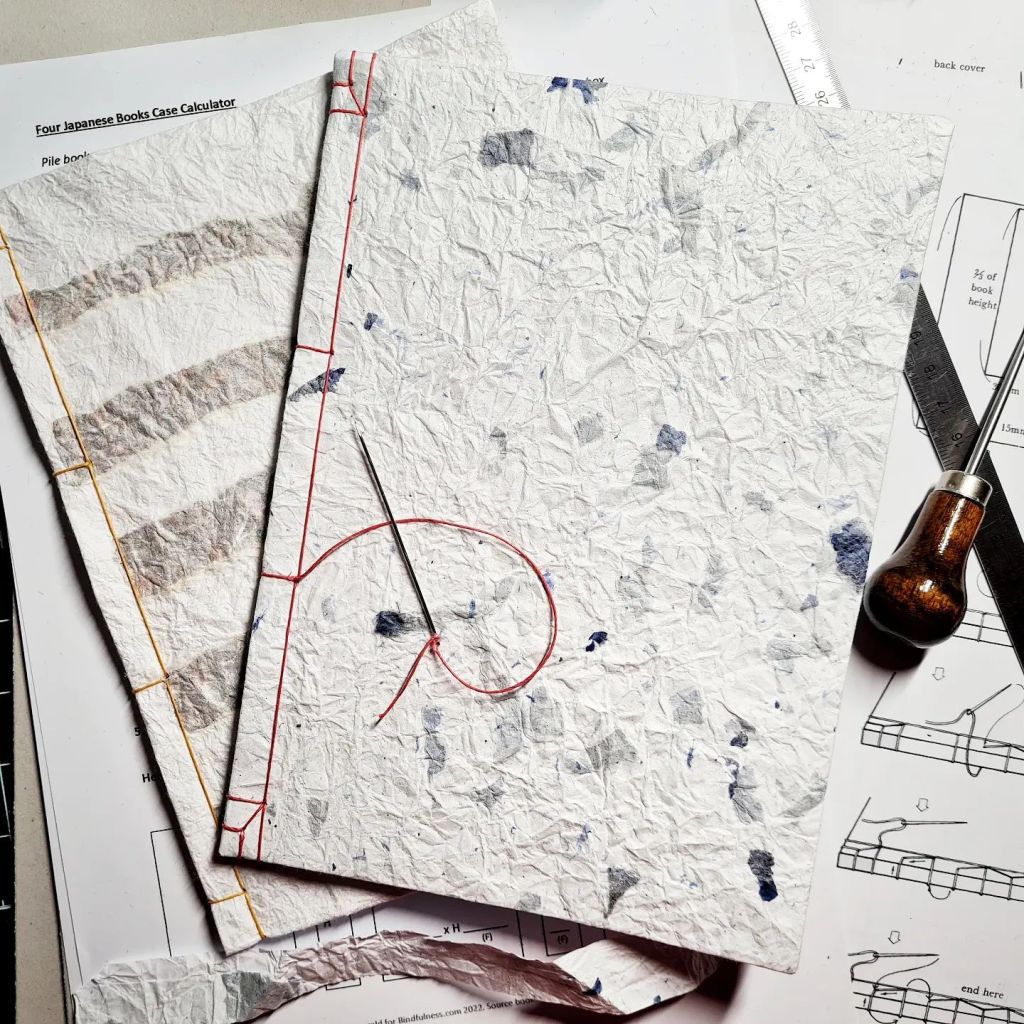
Japanese Stab Binding Workshop
Japanese style books are ideal for single sheets, and though they are referred to here as Japanese Stab binding, this tradition of binding was common in East Asia, with Chinese and Korean traditions having variations in the number of sewing holes. We’ll make four different soft cover handbound books Inspired by Master Craftsman Kojiro Ikegami using variations of the gorgeous and elegant four-hole stab binding method – Yotsume toji (4 Hole Binding), Koki Toji (Noble Binding), Kikko Toji (Tortoise Shell Binding), and the Asa-No-Ha Toji (Hemp Leaf Binding).
This style of book is great for: Decorative stitched books, sewing single sheets, notes, pocket notebooks, gifting
Skill level: This is a great one to start with! Bindfulness Handmade Workshops are designed to be accessible wherever you start. Returning binders find some repetition (practise by another name!) a welcome reinforcement of previous learning. Where ever I can within a workshop, I will add to a returning binder’s knowledge with extra information or suggestions for expanding learning.
What You’ll Learn:
The selection of materials
Paper grain
Inner pages preparation
Cover preparation
Various Four hole binding styles
Some common bookbinding tools and how to use them safely

Wraparound Long-stitch Bookbinding Workshop
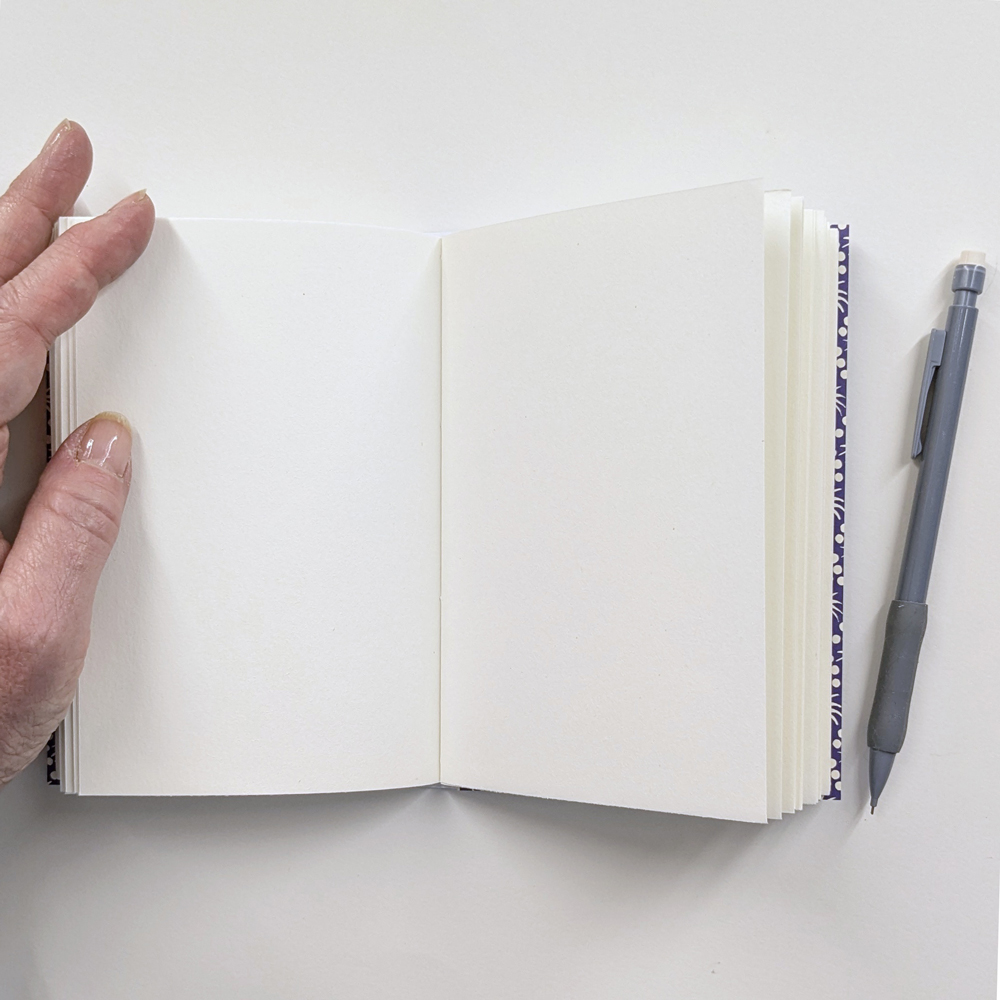
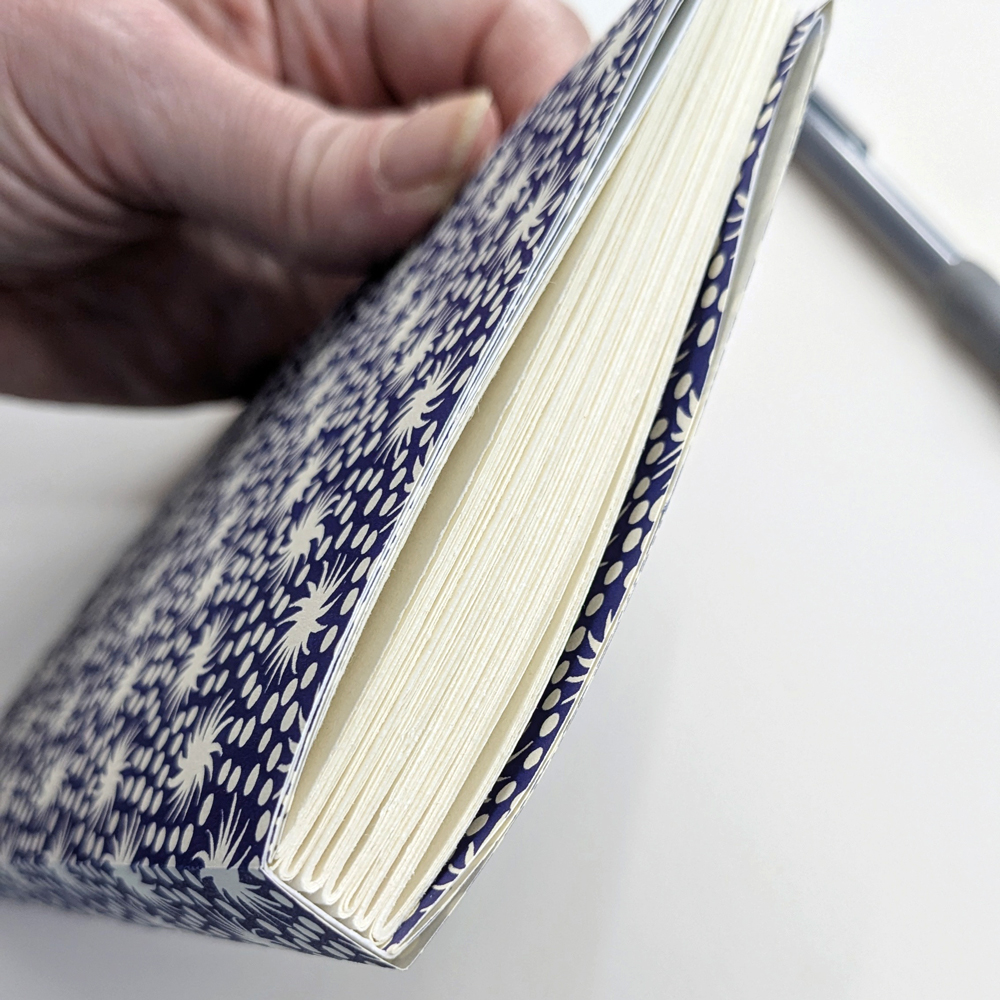
Long-stitch is a historic technique that was used in Europe as early as the 14th Century. We will bind blank A6 sized notebooks using 90 gsm sketch paper pages. We’ll add end papers, reinforce our inner cover’s spine, pierce sections through the fold, and sew using the Long-stitch. The book will be finished with an outer cover that cleverly locks itself onto the structure through folds alone, and can be changed whenever you’d like. The Wraparound Long-stitch book opens completely flat, making it ideal for journaling and sketching.
This style of book is great for: journaling, sketchbooks, pocket notebooks, gifting, lay-flat working
Skill level: This is a great one to start with! Bindfulness Handmade Workshops are designed to be accessible wherever you start. Returning binders find some repetition (practise by another name!) a welcome reinforcement of previous learning. Where ever I can within a workshop, I will add to a returning binder’s knowledge with extra information or suggestions for expanding learning.
What You’ll Learn:
The selection of materials
Paper grain
Materials and preparation
Longstitch sewing technique
Common bookbinding tools and how to use them safely


Concertina Bookbinding Workshop
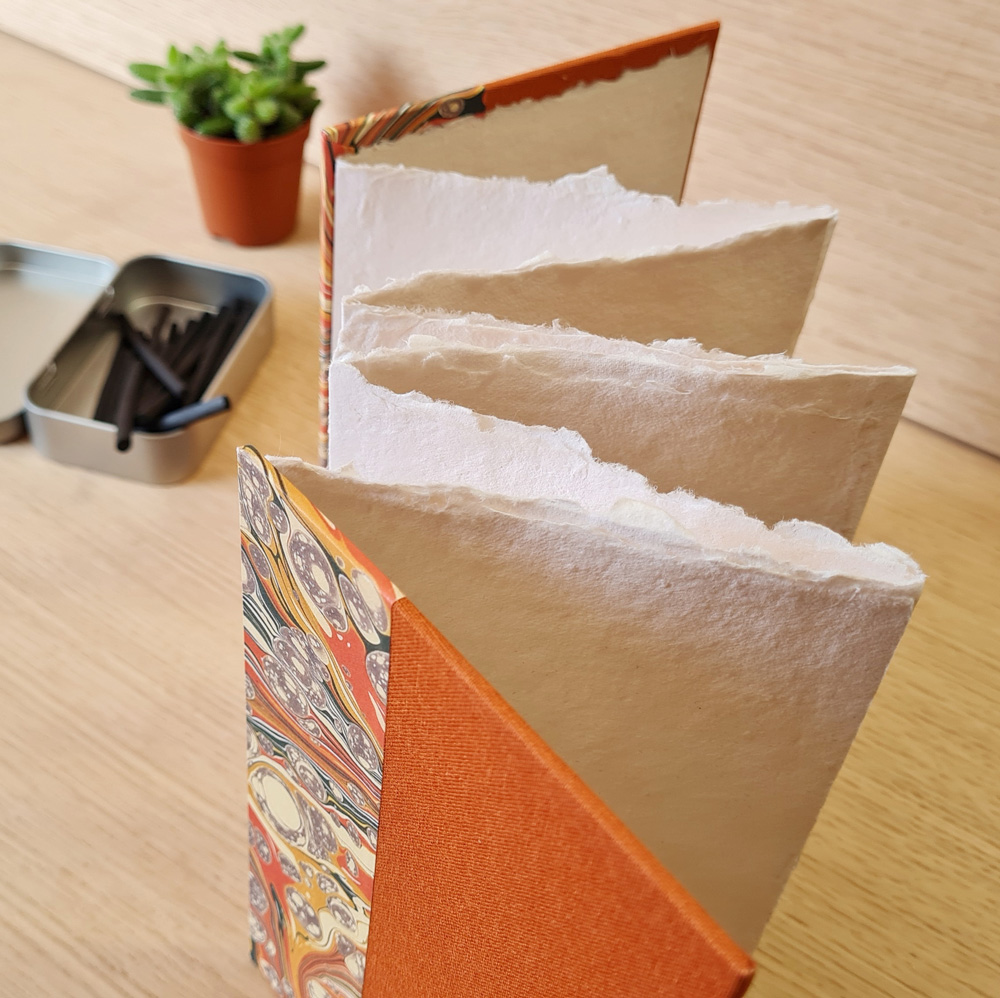
The Concertina is also known as accordion or leporello. These seemingly simple zigzag shapes allow an exploration of the folded book. We will make two books in a Bindfulness workshop – one with a simple fold, and a second with double leaves. The double leaved book offers the advantage of discrete working surfaces on both sides of the concertina, so there’s no working onto the back of other work – ideal for artists books. Pamphlet Stitching will be introduced, adding a further dimension to this versatile book form.
This style of book is great for: journaling, sketchbooks, artists books, collage, working with existing flat sheets, lay-flat working
Skill level: This is a great one to start with! Bindfulness Handmade Workshops are designed to be accessible wherever you start. Returning binders find some repetition (practise by another name!) a welcome reinforcement of previous learning. Where ever I can within a workshop, I will add to a returning binder’s knowledge with extra information or suggestions for expanding learning.
What You’ll Learn:
The selection of materials
Paper grain
Concertina folding techniques
Double leaved concertina construction
Cover preparation
Common bookbinding tools and how to use them safely