

Deborah Pugh with her work ‘Meeting Place’ selected for the Royal Institute of Painters in Water Colours 2024 exhibition at the Mall Galleries
Read Time: 10 minutes
Deb Pugh talks about how she started painting, from step-by-step watercolours to kinetic learning and movement by the sea
Hope Fitzgerald: Where did it all begin for you, Deb?
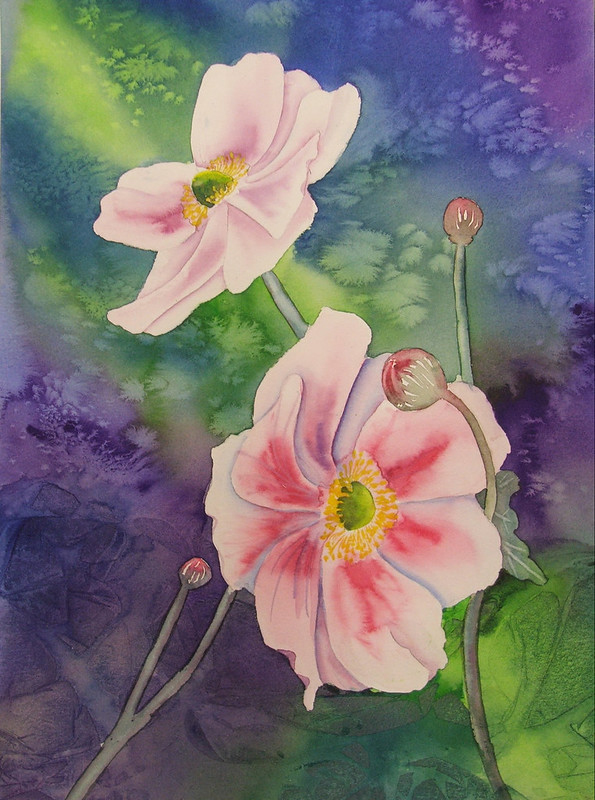
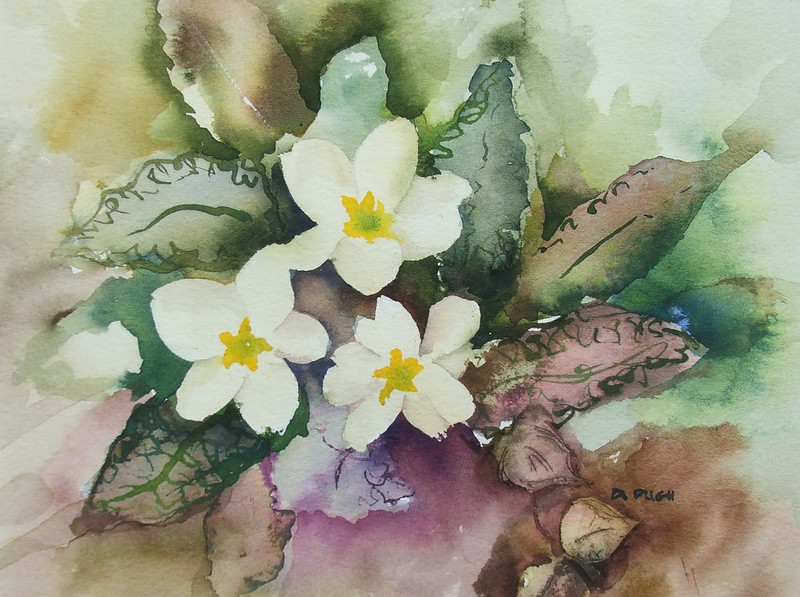
Deborah Pugh: I’ve always done arts and crafts since I was a youngster, and I used to play the bassoon, so that was my creative outlet. I had the opportunity to take art at college, and I didn’t because I thought, who am I? I haven’t got any art exams. I was never picked up as arty at school. In primary school, one teacher put everybody’s painting up on the wall and I can remember that to this day. I felt like I’d been selected even though I hadn’t. Francis Iles had an art fair at the Corn Exchange in Rochester, and I saw Charles Evans demonstrating there. He does very prescribed instructions – you do this and this and follow the order. He is a wonderful character, and he makes it look easy, and I thought I can probably do that. That was the turning point. I thought, what am I waiting for?

HF Has it got a Bob Ross vibe? Do you know what I mean?
DP Yes. He used to do television painting. You know, like my mom used to watch Paint Along with Nancy, which was all sort of oils and pallet knives. And Charlie Evans used watercolours, and you just followed along and at the end of it you had a painting. That’s exactly what this sort of course was like.

HF What did having rules to follow offer you? On reflection, can you now see how it feeds into your own stuff developing?
DP The Charlie Evans course meant I ended up with something that was OK. That was my reward and ohh, OK, I can do this. I did courses with other tutors as well which were quite prescribed. When my husband had a road accident and broke his back, art became a lifeline. It was the thing that I did when I woke up at 2:00 in the morning and couldn’t get back to sleep. I was making art at night, and sometimes during the day, but I found that following the rules was no longer cutting it. It wasn’t giving me that same sort of feeling. I started reading books. I’ve probably got more books about painting than the local library. I started going to teachers that were not saying “This is how you do it.” Instead, I heard “You start and I’ll help if you need it.” I still take courses because I love to find out how other artists’ brains work and what inspires their process. But I always say had it not been for Charlie Evans, I probably wouldn’t be painting.
HF Charlie Evans made it feel possible, and art became a lifeline for you that resulted in a progression of your work. What feeling were you getting that was not enough? Is there a moment you remember that things started to change?
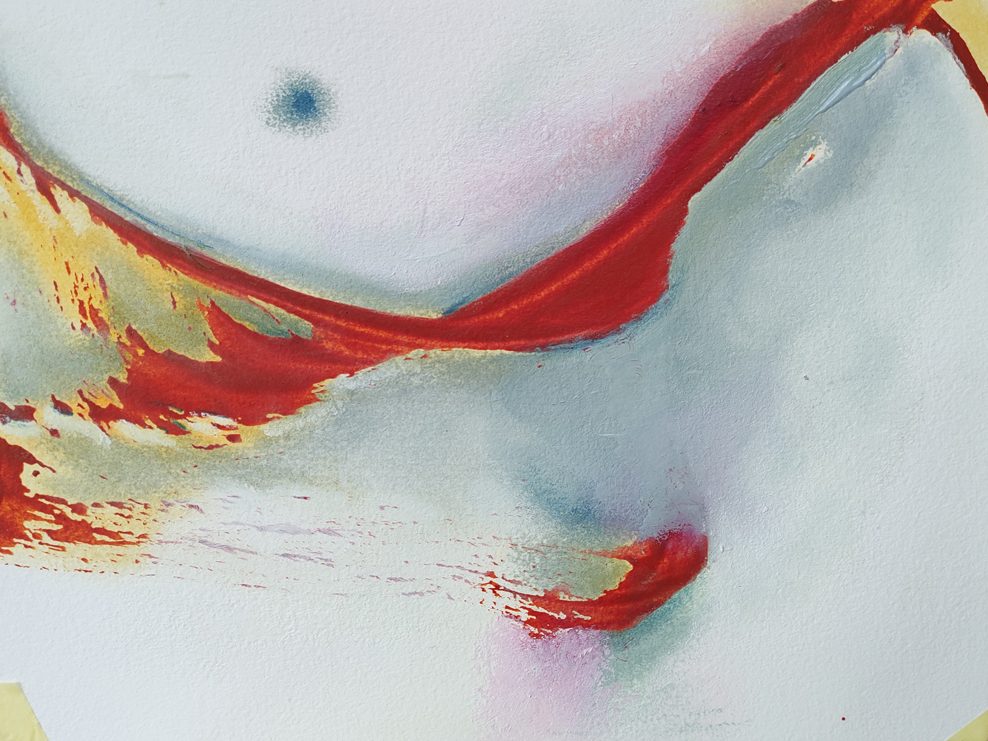
DP There’s not particularly a moment, but when I first started doing lessons with Charlie Evans, I felt excited because everything was new. Once I’d learnt those rules, it was well, I’m just following the rules now. That’s when I went to another teacher called Anne Blockley, who was much more experimental. Whether you followed along or not, your painting was never going to turn out quite the same as hers. I went to another teacher, David Cox – he did ballerinas and he loved dropping water into the paint to make it all shift. Every time I did that, it was new because how much water you use and the stage of drying all change the results. That was exciting. It’s still what excites me today about watercolour. That serendipity that it has. You know, it’s not quite predictable. You’ll put something on and you go ohh, OK, that’s not what I expected! So, now where do I go from here?

HF Would you say the constant exploration is the exciting part for you?
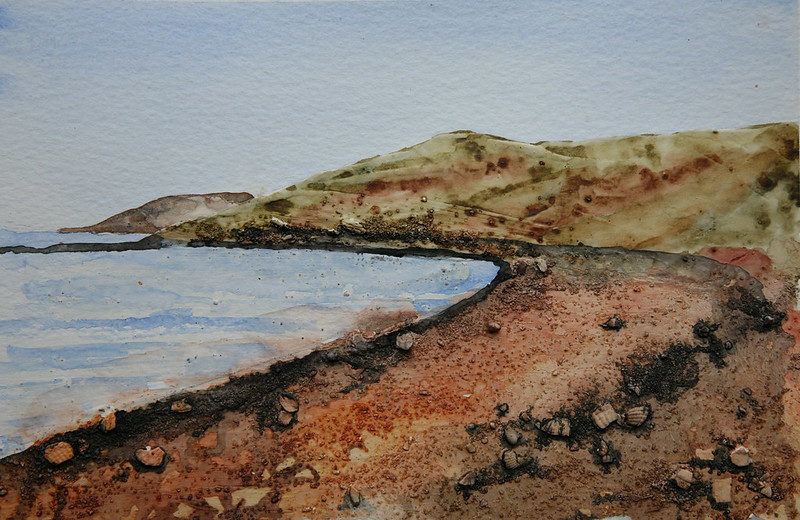
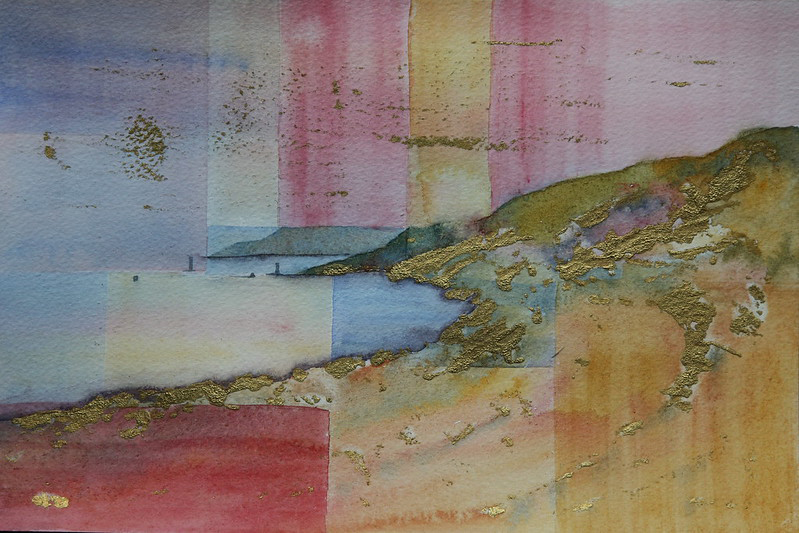
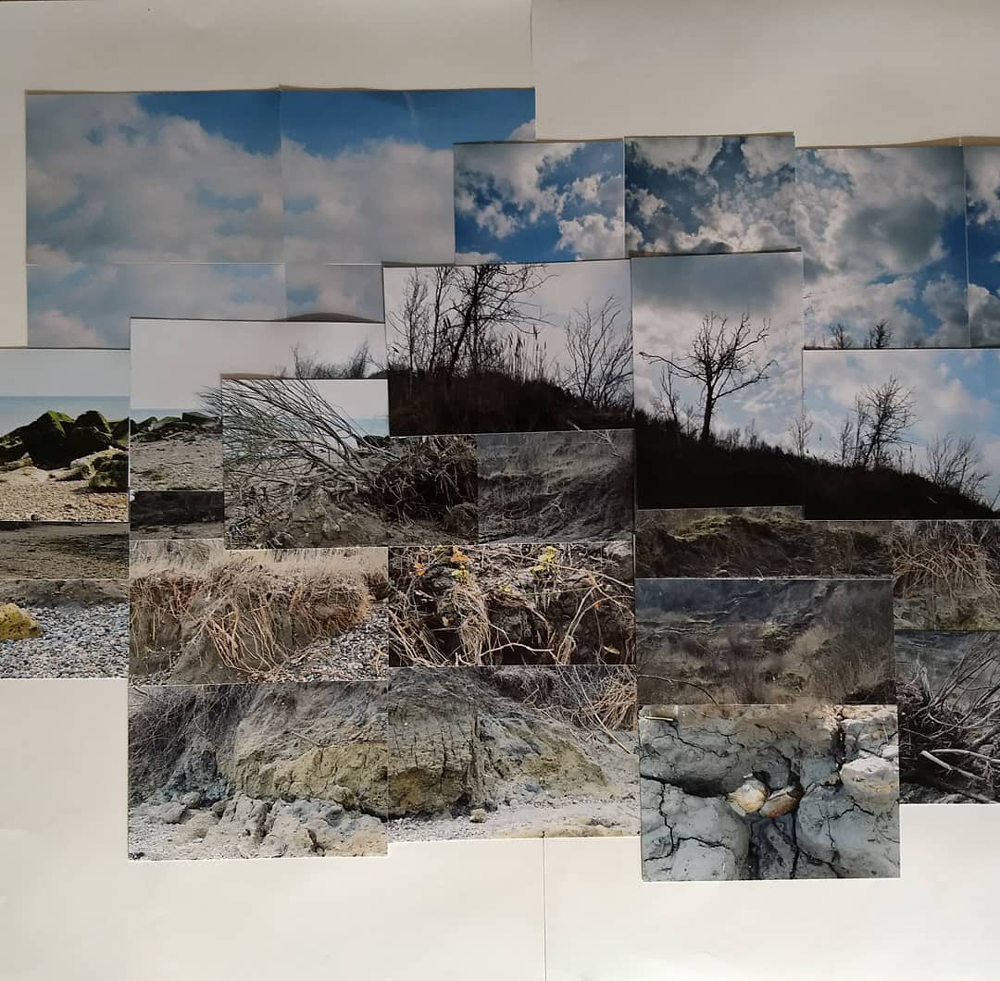
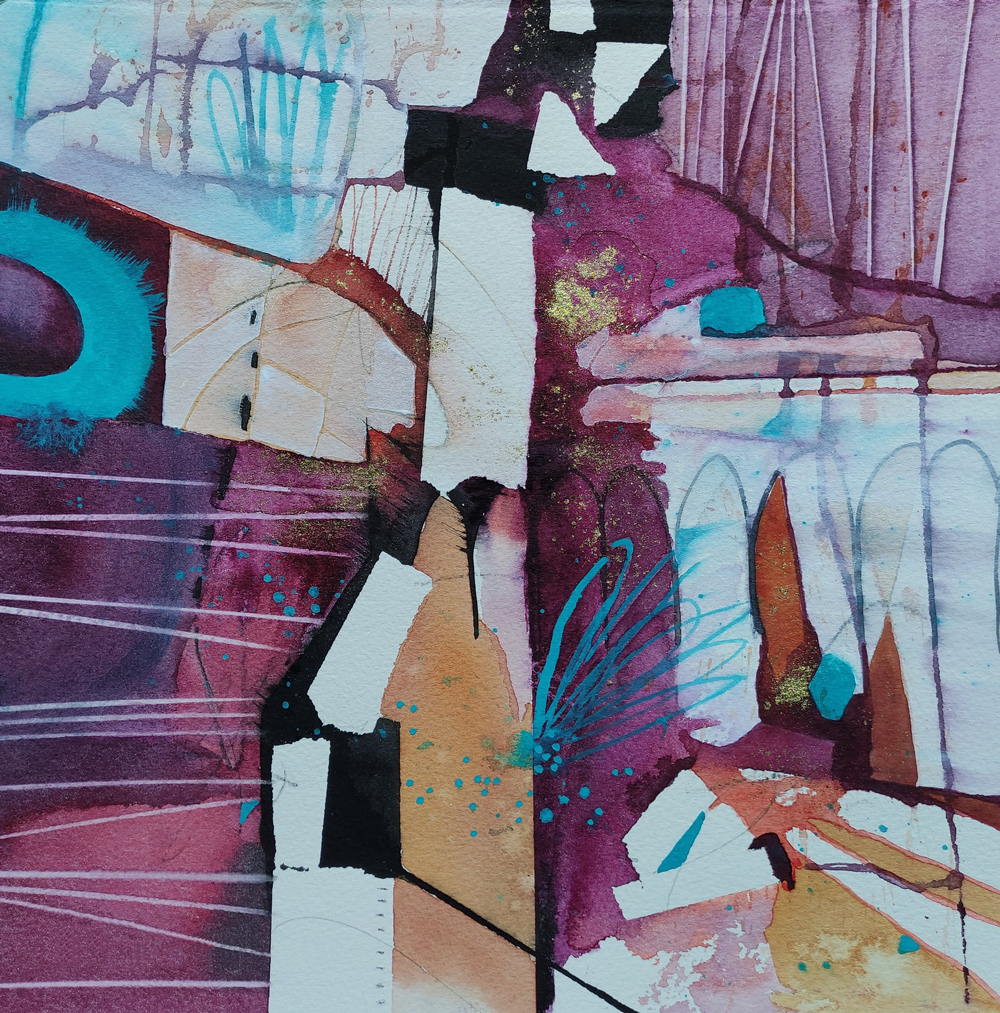
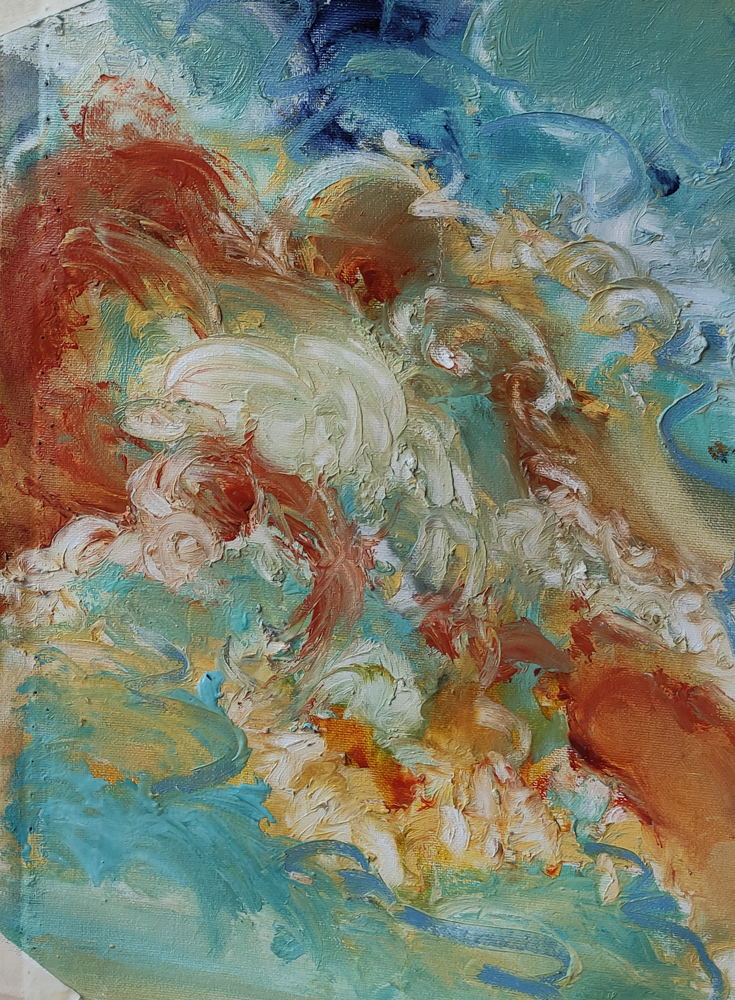
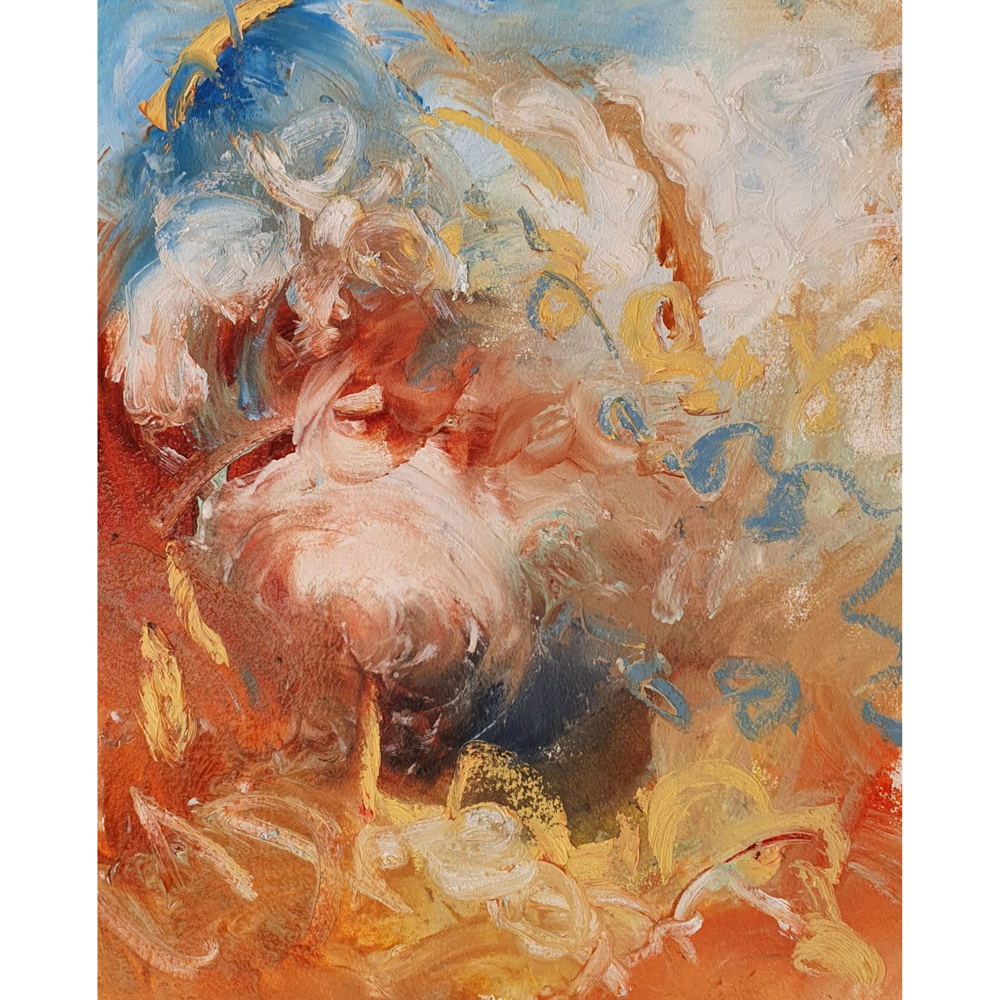
DP Yes. With Charlie Evans, you worked from an image. I know lots of people love being able to paint from their own photographs. But it wasn’t giving me that excitement. It wasn’t giving me that exploratory thing. The world is exciting. Little things please me. I think it comes from my Mother who had muscular dystrophy. She spent a lot of time sitting in bed when we were youngsters and I remember sitting with her. And she’d say “Look at that. Isn’t that butterfly beautiful?” or “Look how the sun’s coming through that raindrop on the window.” I am excited by those small bits of joy that we have in our lives. I think that shows in my paintings, which are often landscape based. I go out into the landscape, but I’m not interested really in that general view. It’s all those tiny bits, it’s the pebble on the beach. It’s the patterns. All of that is feeding into my abstracts, and it’s those little moments, not the big moments. And I wasn’t getting that feeling working from an image.


HF What’s the most exciting thing going on for you right now with your work?
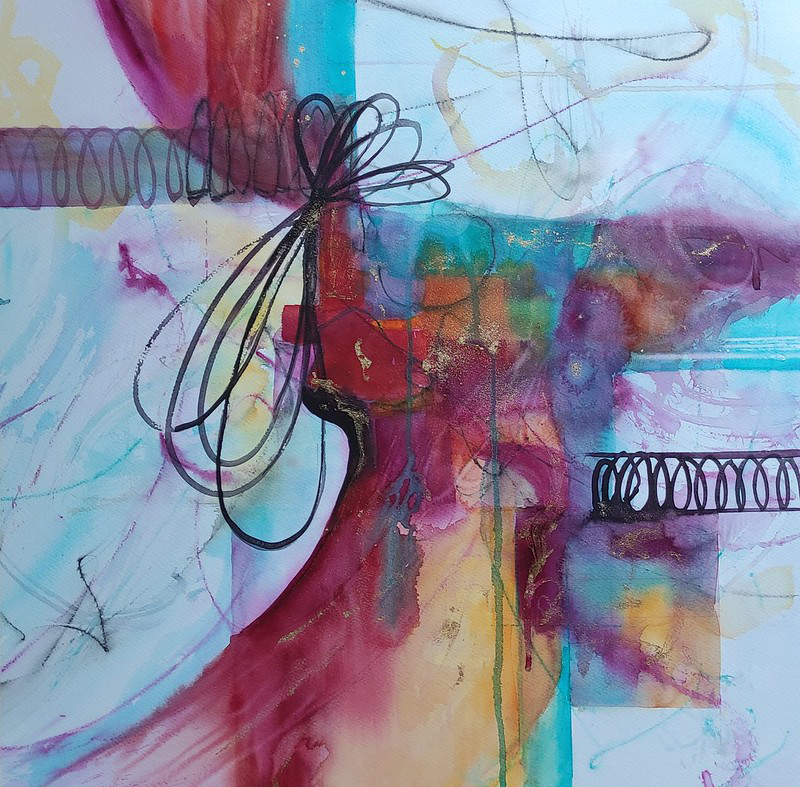
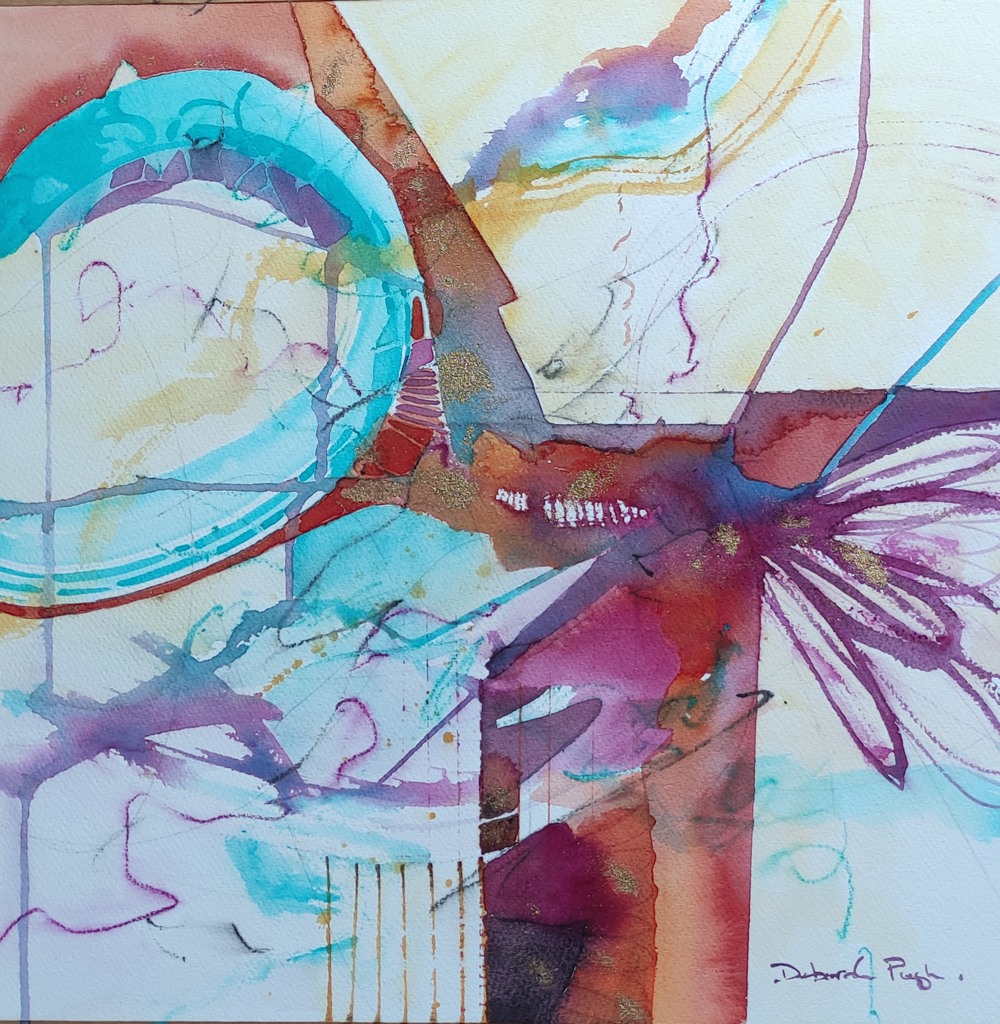
DP I’ve been on a painting residency to Portugal, and that was very meditative. I felt much calmer. You’ve got the sound of the sea, and you can hear all that movement of the waves and we followed the sound of the waves with our hands. You don’t think that would come into your art, but once you’ve been out there a few days, the sea is rippling along the edge and that finds its way into your art, whether you want it to or not. It’s interesting because I’m a kinetic learner and I need to do something to learn it fully. Movement teaches you whether you like the shapes of the environment that’s out there. A lot of my painting is about movement. I love the movement of the sea and that’s part of my meditation, if you like. I wouldn’t say that I use any specific meditation techniques necessarily, but when I’m outside, I’m fully present with what is there. That’s what’s exciting for me now.
HF What a great idea. I can imagine how it would free up your movement when you’re painting.
DP Yeah, and recently I’ve been trying to do bigger works. We all start where it’s all quite portable and small, but I’ve just completed a 4 x 5 foot watercolour, which was really exciting, you know, because I want to get that more physical movement into my painting.
HF Have you got some inspirations?
DP Ohh, I love all sorts of people. I would say Kandinsky. He’s always been a favourite and there’s music and movement in his work. There’s just so many people I like. Because I didn’t study art, I’ve got quite a few modern artists that I follow and that I find inspiring. Peter Joyce, I really love his work. I love David Mankin – he works from the sea. I live on the coast and that movement of water has always featured in my life.

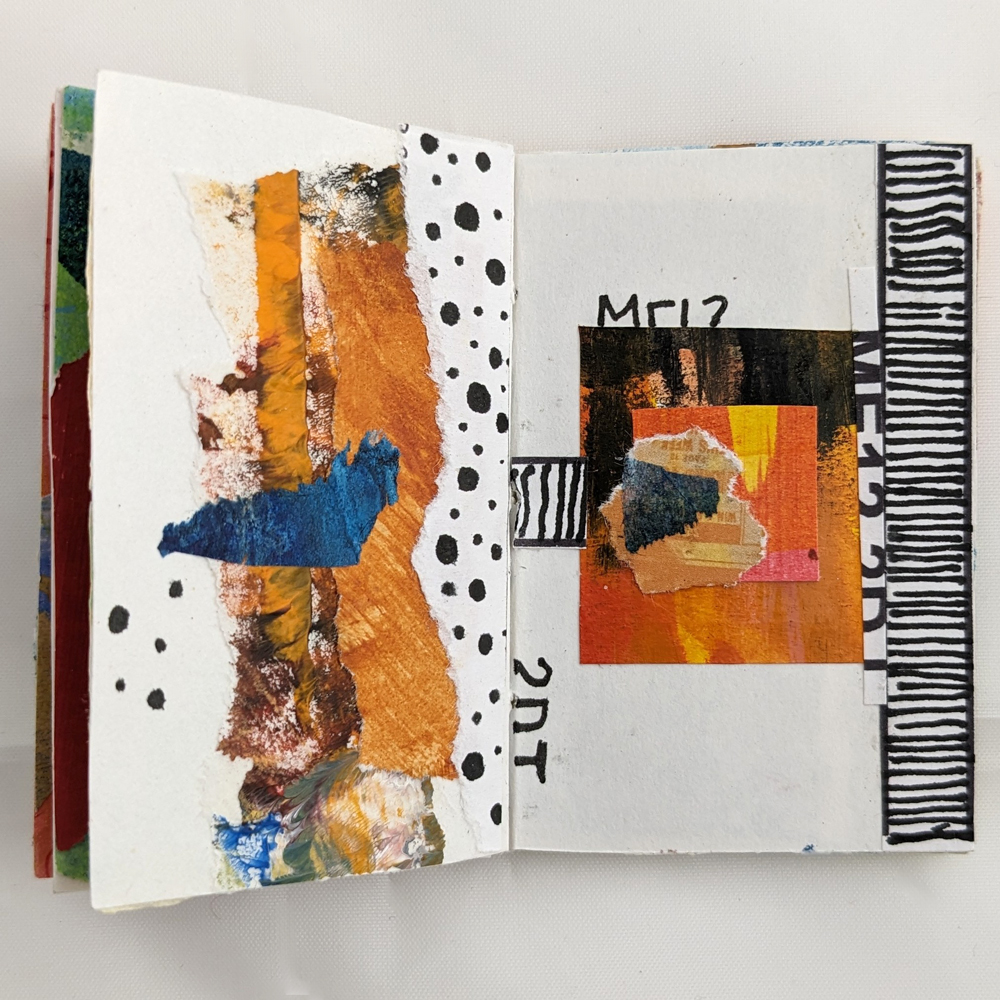
HF Tell me about your Tiny Books. You’ve done three!
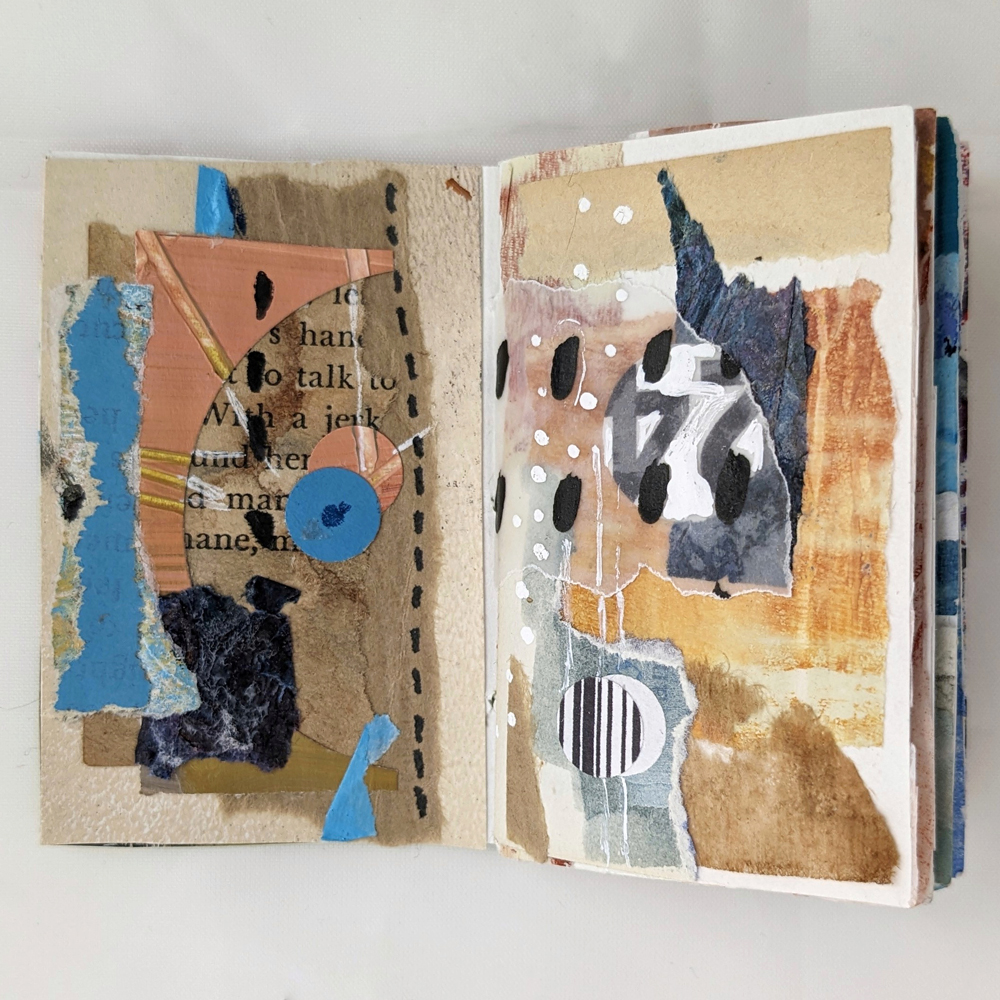
DP I find that I have seasons of creating. Between November and January, I find it quite difficult. Christmas time is difficult for all sorts of reasons. It’s out of a normal routine, so I don’t really create in my studio during that time. When I can’t manage that, I use little sketchbooks that I can work in when I’m in front of the television with my husband. I just do anything that I like. Last year I did Tiny square collages. This year, I’m using a 5 by 7 book. I’ve got a biscuit tin that has all my collage papers in, which is any bit of paper that I’ve put paint on. I’m going through this box and blow me down, there was a Tiny Book you’d sent with my first book. I thought ohh, I fancy putting a bit of collage in that. I had ordered another Tiny Book from you and hadn’t filled it yet, so I just continued that collage process into the new one.
HF Your first book, back in the beginning was a painted one. Tell me about that one.
DP I tend to paint in series so for the first Tiny Book, every time I did a painting series, I would do a mini painting that related to it. So if I’d done one of those, I would have taken that idea and that general composition and then I would have had a go at doing something with those marks and those patterns into the book.

HF It is greatly admired, by the way. Everyone who picks it up loves it. It’s a lovely book. So thank you for that. Let’s go back to your process. When you collage and you’re in those few months, which can be difficult months for a lot of people, do you do those things and go back to them as springboards for larger work or do you just do them?
DP It’s just the process. I think they do relate to my work because I’m exploring colour, shape and the general composition so I might not literally go back to them, but you’ve already got that work in your mind. It’s a bit like the movement of following the sea and then those marks turn up in your paintings. This year there’s been a yellow ochre colour, which I wouldn’t ever normally choose, with this light blue on top of it. So, then I’m thinking I can remember that combination was nice together.


HF Do you want to say something about having taken part in the project. Is there anything else you want to add?
DP I just think it’s a wonderful project. I think that it’s so nice if you like that tiny bit of me, because all work is personal. It’s autobiographical and it gave me the opportunity to do something tiny because I don’t normally work on that scale. I suppose it relates to the fact that I love tiny moments. You know, I always call them the gems within the chaos. And it’s like a tiny little jewel. Each book and each page is a tiny little jewel.
HF What a wonderful description, thank you! I’m actually getting a bit tearful and I also just heard the title. Gems within the chaos! Thanks so much Deb!
Where to find Deborah Pugh:
Instagram: @deborahpughart
Website: debpugh.com
Southeast Open Studios for JUNE 2024: https://www.seos-art.org/deborahpugh
Mall Galleries: buyart.mallgalleries.org.uk/deborah-pugh/
Out of the Darkness and into the Light (above) will be in the 2024 show for the Society of Women Artists